Sunday, March 1, 2020

Culture Indistry: Bottled water

HISTORY: The first bottled water was sold in the US by Jackson's Spa in Boston in 1767. The water had supposed therapeutic benefits. In the 1850s bottled water was a status symbol, it was seen as clean and stylish (Elite culture). During this time it was also widely purchased due to fears of typhoid and cholera in municipal water supplies. It hit its big break into the mass culture in the1970s after the development of the PET plastic bottle. The 2000s saw a war between tap and bottled water, and more recently, environmental concerns have led to the creation of much lighter plastic bottles.

There are many aspects that invoke the idea of standardization and pseudo-individualization.  Bottled water is everywhere. You go to any event and you can't get a cup of water or find a bubbler anywhere. In most cases you can't bring your own, so you have only 1 option if you choose to drink water: buy a bottle. We also see bottled water in TV, movies, advertisements, music videos, print ads. Many restaurants now ask you if you want water from the tap or bottled.

Pseudo-individualization comes from thousands of water brands available worldwide. Check out this site that lists the world's bottled waters. I was astounded at the numbers. There are numerous types: spring, purified, artesian, well, glacial, deep sea, rain, and iceberg....BUT it's all just WATER. This artifact is a prime example of commodity fetishism. A bottle of Poland Springs costs 1/4 of Voss, and as such it's perceived as better. While there are subtle differences in mineral content and acidity, there is no reliable data proving one is necessarily better than another.


This example contributes to distracting us from authentically changing the world and reinforces our connection with popular culture by just existing. Plastic is becoming a global problem. There is far more in existence than will ever disintegrate or be recycled. Advances in public water systems and filtration systems worldwide have reduced the need for bottled water and yet as Americans, we are addicted to it. It's not much more difficult to use a reusable water bottle and fill it as you go, but we don't. Purchased water bottles carry a warning on the back to not refill them, contributing further to the problem. Much of the world is addicted to convenience and we don't make lasting, meaningful changes unless forced to do so.


Sources:
https://myownwater.com/blog/history-of-bottled-water

What we can learn from Newspaper

I chose the newspaper from my hometown, Decorah Iowa. The header of the paper still looks similar today. This issue is from November 24th, 1915, the day before my paternal grandfather was born. The issue is 12 pages long and is roughly 25% advertising.

I found this ad interesting. Keeping in mind that this is before women could vote, it talks about the skirt being an approved style. The company that made the skirts is Korrect. I was surprised to see it talked about sizing for larger women. These must have been the best around. Comparing prices (capitalism!) this skirt was significantly more than admission to the theatre to see a motion picture.

The first article on the first page was about a series of sermons being given on what businessmen of Decorah think of the church. Back then the church had significantly more role in day to day life than it does now. The article talks about the church being an educator of youth to decrease delinquincy, as well as maintain health, prevent, and heal disease.

There was a political article stating a large number of Germans (roughly 50% of the population of the town then and now) were going to change from the Democratic party to the Republican party due to the handling of foreign affairs.

Part of a page was dedicated to the theatre and pictures that were coming. One that caught my attention ties back to the cowboy unit. "Tile Exposition's First Romance"  was billed as a "Western with a lot of action...with a love story thrown in" It was also called a comedy. For 1915 this was quite a mix of genres in a single picture.

There were several pages dedicated to the townships and what everyone was doing, where they traveled, and who they had dinner with. I noticed there were few instances of news of single women, and married couples were referenced by the husband's name. Our unit on gender and sex ties well into this. In this time there were very deeply ingrained roles and societal expectations of men and women. Their sex was their gender and everything was heteronormative.


I did find it interesting that the newspaper was not totally written to and for men. There were grocery, clothing, and shoe ads; as well as the goings-on (Gossip!) that were geared toward women. Though this does paint a picture of a "woman's place" in 1915, she was completely removed from politics and business.


Saturday, February 29, 2020

tropes vs women in video games

In the video it touches on how women are represented in video games. In most games they are shown as objects rather than people. In many video games women are shown in skimpy clothes, often in need a help from men in the video game. As well in many games getting kidnapped or taken by men or in the case of King Kong an ape. The way women are portrayed in many video games and movies/ shows show them as unable to help themselves and unable to take care of themselves. Showing them as unable to able to take care of themselves is false and a poor portrayal of women as in most cases they have to take care of them men in their lives.
The portrayal of women has made me realized how in many cases they are viewed as an object rather than a human being which is absolutely absurd. Women are in my opinion stronger than most men with more obstacles thrown their way in life which only makes them stronger. Using women to portray them as objects is an old and archaic way of thinking about them. Only using them as an object for example in Mario, princess Peach is used basically used as a valued object that Mario and Bowser are jockeying for rather as a person herself.
Using this video series to correlate to the reading from this week showing how sexuality should not be the way a person should be looked at rather they should be looked at how the person is as a whole. Not as a women, but rather in how they act as a person and a thriving part of society.

culture industry week 7

In baseball for many years there was the negro league and the regular MLB. In the negro is where all players of color played compared to in the MLB which was only white people. Segregation was used across all of America for the most part at this time including the MLB. Although the negro league had players who were just as good if not better than some of the MLB players they were not payed the same money, did not travel the same as well as not being treated the same. The MLB at the time was the biggest league in all of sports across America.

Until one day when the Brooklyn Dodgers took a chance and signed a young African American man named Jackie Robinson. This came as a shock around the country as the team and Jackie picked up hatred from just about everyone. Through all this they dominate the league won a couple World Series and managed to do this all while being individual and different from everyone in the league. Owners from other teams were sending hate and telling players to take action against the Brooklyn    

Dodgers players, but this did not faze them, continually finding a way to get the job done.
The Brooklyn dodgers managed to create this into a way of standardization as you look today across the league the MLB is 70% colored and minority players. This was  ground breaking and shaped the MLB as we know it today. Continually breaking the racial and cultural ground as we know with all the record that the colored players are breaking today.

Wednesday, February 26, 2020

Fashion in Pop Culture

Fashion in pop culture

Fashion culture is pop culture. Fashion today is everyone and just about everyone is involved in fashion. From fast fashion to high fashion to thrift. Everyone wants to look good and feel good and this is what fashion does for people. Whether they work in a bank or on a stage. Fashion has become apart of music culture. Just about every major artist has their fingers in fashion by creating their own line or partnering with another fashion company.

Image result for beyonceivy park adidas gif
Adidas X IVYPARK


Great examples of these are Beyonce who took her ivy park line and partnered it with Adidas, the line sold out when it was just on presales in just minutes. She used a great strategy of sending the entire line in a big orange box following the collection color scheme to all of her friends and family who have big influence on social media. All of these celebrities were excited to post their outfits and share the news, making try on hauls or just posting the goods. Beyonce was able to sell out her collection because of popular culture. the collection was highly anticipated,everyone wanted a piece if they could get it. Even though the prices were higher than Adidas normal items.


Image result for rihanna fenty clothes
Rihanna Fenty
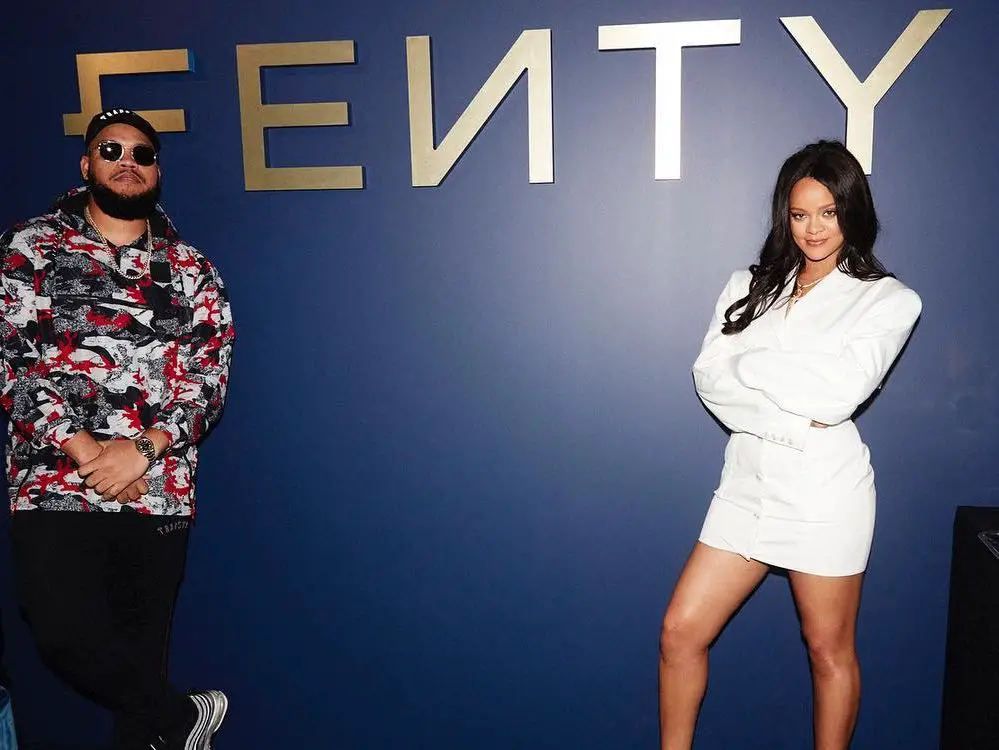
Rihanna has taken over the game by reaching fashion in many different out lets from partnering with brands to making her own brand she has FENTY her high end luxury brand in which she is the first black women at LVMH. There's Fenty Beauty her make up line, Savage X Fenty her lingerie line, Fenty by Rihanna which she first collaborated with another fashion house. All of her products have become popular with on and offline. From sold out fashion shows to sold out online drops. She is her own brand but she goes further by sending marketing merchandise to celebrities and they get the brand out further.


Image result for kim kardashian yeezy
YEEZY
Another great example is Kim Kardashian who modeled Yeezy without anyone knowing by hiring paparazzi to take pictures of her in the new Yeezy collection before it went on sale. Kim also later came out with her skims collection which sells out when she sets items on sale.

One thing I've noticed is that pop culture plays an enormous role in the Kardashians sales. They do this thing where they put a certain amount of items on sale first so they can say they sold out quick and then they will release the rest later and sell those out. People who are shopping these items will go in and wait for the sale not be able to get anything and think that these items have sold out and want to get them even more because they are so popular.


Image result for pretty little thing x saweetie
Pretty Little Thing X Saweetie
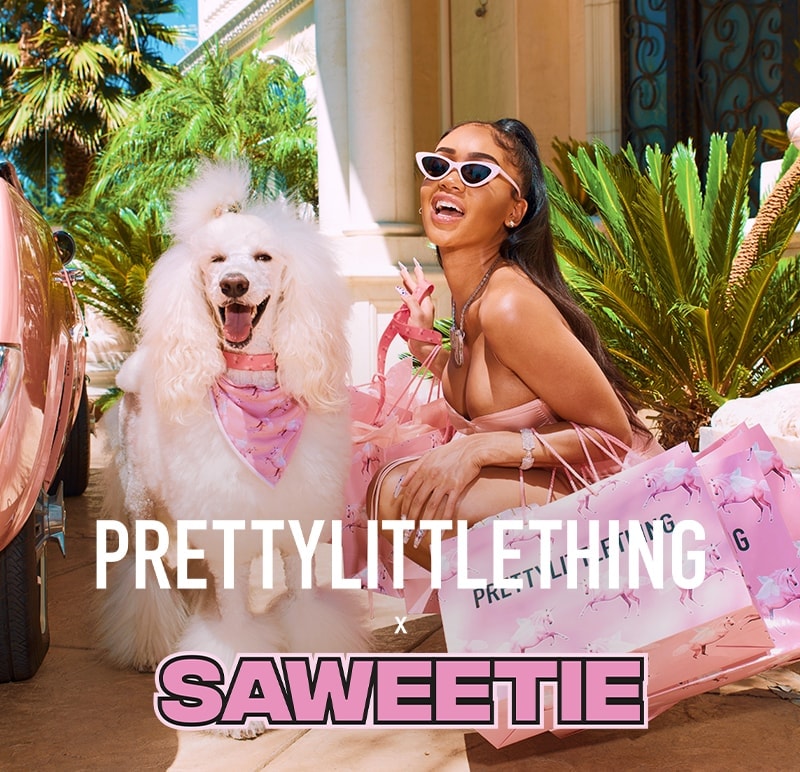
Another example is artist like Saweetie and Cardi B partnering with fast fashion companies Pretty Little Thing and Fashion nova. (Fast fashion is Fashion that is in and popular now but will be out by next season. The clothing is mass produced made fast and cheaply in factories and often in a poor environment where the workers are paid extremely low.) These sites are very popular because of social media and celebrity partnerships. These celebrities get paid a percentage of the sales and the clothing brand gains more popularity. These special partnerships on the sites always sell out the same day, just because of the fact that people on social media want what their favorite celebrity is wearing.


Monday, February 24, 2020

Django off the chain week 3

Django is a former union soldier who was freed after the civil war. Django is a great solider who was a master with many different types of weapons, but his trusty six shooting revolver pistol especially. In the movie Django shows up to a town in the southwest which has a former confederate general leading a confederate army against a group of Mexican "gang" members. Using both sides, Django gets paid money to make hits and fight for one side then the other. Django is known as one of the best soldiers to ever fight in the war and thus why he gets paid so much money, but in true cowboy fashion he is double dipping only doing anything for a sum of money. Django may be known for his fighting skills, but he is even more known for his double dipping only doing anything for money ways. Django and this module go hand and hand especially, because of how brilliant Django is. He is widely respected as one of the smartest soldiers to ever come through down as well. Thus never getting caught up in his tom fooler. Django and the westerners from this modeule both have unique and articulate accounts of what had been happening in their days and lives. Django was a brilliant, well respected, and great solider all in one in this movie all while being a cowboy.

Sunday, February 23, 2020

Monster Misogyny?

Kanye West's Monster Misogyny
In feminist Frequency video she talks about Kanye West's new music video Monster. Instantly she says how she wishes no one should ever see this video and that she shouldn't have watched it herself. She believes the video is based around this whole sexy dead women trope. The video features women who look "dead" but are wearing heels and full makeup. She also believes that he has portrayed white women to look eroticized, mutilated, and dead while black women are supposed to look animalistic, savage, and demon. She discusses how artists use these techniques to spark controversy among people to get views.
I personally do not agree with her thought process of the video and I believe it is blown out of proportion. The video itself is called monster so I would expect it to entail characteristics of monster like creatures. Throughout her video she brings up a definition of women saying that they are full and complete human beings. As well as the topic of Misogyny which is the hatred for females simply because they are female. No where in the video do I see him hating females simply because they are female. The song even includes a verse from a female so It would be very hypocritical of him to hate women but also feature one on his song. She ends the video saying that if he really wanted to take the scene by storm He should treat women like humans, that'll shock em. But that isn't what the video was about it was about Monster like characters, so why call the song monster and portray everyone normally, doesn't make sense to me.
After watching her video it only made me realize how people tend to blow things out of proportion showing no evidence for claims. The thing that shocked me the most was her claim that he only portrayed white women to look eroticized while the black women were made to look animalistic. But when I watched the video it showed both white and black women portraying each of these things. In one clip it shows a white female dragging away a dead male, but of course she failed to mention that in her video.

remember the titan who changed all the peoples minds week5


In the movie "Remember the Titans", coach Herman Boone breaks many cultural norms. He becomes the first African American football coach to coach in the state of Virginia. As well at being the coach at one of the first integrated schools in the state. The year he took over was the first year "colored" students were allowed to studied with the "non-colored" students. As well, coach Boone was taking over for a previously hall of fame worthy coach who remained on his staff with him. With all the pressure of this, coach Boone was told if he lost even one game during the season he would be fired. 
In the movie, coach Boone is shown as a confident and well spoken man who is not afraid of anything. One example of the racial presence in the town  is a scene in the movie while he watching film a brick with racial phrases Witten on it is thrown through the window of his home. While including threats against him and his family not only about losing one football game and being fired, but all the pressure of bringing together his team which was divided during the beginning of the season at camp. Using all this he finds a way to continually answer all the pressure from his bosses, his athletes and the students. Bringing the team together like a family.

Pardon my take week4

In the podcast called "Pardon My Take", the authors, Dan "Big Cat' Katz and Eric "PFT Commenter" Sollenberger discuss popular culture theories as well as interviewing big name people in not only the world of sports but as well as in the world of acting, as well as popular song writers and artists ,and popular youtubers.
In the podcast, Big Cat and PFT discuss their many theories on what is going on in the world of sports, how they believe games will play out, how they would have played you the game if the game has already been completed.  As well during the offseason of the many different sports discuss their theories on where a person who is a free agent is next, as well as what they would do to make the sport better than it already is.
Some flaws in the podcast are the obvious hometown bias of the teams that the two route for as well as the people who come on their podcast consistently. They hold those people on a different pedistill than all the other teams and people that play that sport. For example, Big Cat is a huge Chicago sports  fan and holds a huge bias for the Chicago bears and their Quarterback Mitch Trubisky especially. Holding him less accountable for mistakes he makes and playing the coaching staff which in some cases is true, while in others he makes obvious and key mistakes.


https://www.podcastone.com/pardon-my-take

Friday, February 21, 2020

Tropes vs Women


This series of six videos explain six common tropes regarding women. This series is aimed at Hollywood films, television series, video games, and comics though they are found elsewhere as well. The first trope is the Manic Pixie Dream Girl, a "bubbly shallow cinematic creature that exists solely in the fevered imaginations of sensitive writer-directors to teach brooding, soulful young men to embrace life and its infinite mysteries and adventures"-Nathan Rabi. The second is about Women in Refrigerators. This trope was coined by Gail Simon and features female superheroes who have been depowered, raped, or cut up and put in the refrigerator. Third is the Smurfette Principle. This is the tendency for works of fiction to have only 1 female amongst an ensemble of men, despite the fact that roughly half the human population is female. Next came the Evil Demon Seductress. This one is pretty self-explanatory, a female demon, vampire, alien, etc. uses her sexuality to seduce, manipulate, kill, and sometimes eat men by luring them into her evil web. The Fifth is the Mystical Pregnancy. This dates back to the bible. Characters are reduced to their biological functions. This is also called reproductive terrorism or torture porn. The last, and very destructive is Straw Feminist. This trope involves the distorted view of feminism, an exaggerated character is created and filled with misrepresentations, oversimplifications, and stereotypes to make it easy to discredit feminism.
Image result for avengers banner
I loved The Avengers, but think about how the women are portrayed.

For me, these videos were eye-opening. I can say I had noticed some of these things before but never knew they were used as often as they are. A common thread for most of them is the women are highly sexualized and objectified. The exception was the straw feminist, who is portrayed as more masculine and pushy, unattractive, often fanatical. The biggest danger of these is their overuse. They paint women in a bad light, they perpetuate stereotypes, and they encourage disrespect and mistrust of women. These attitudes and beliefs make it harder for women to achieve equality. They make us look like either dumb, shallow, helpless creatures, or evil and crazy. These messages are found everywhere on social media, in advertising, in literature. When I really started to think about it, the examples are staggering.

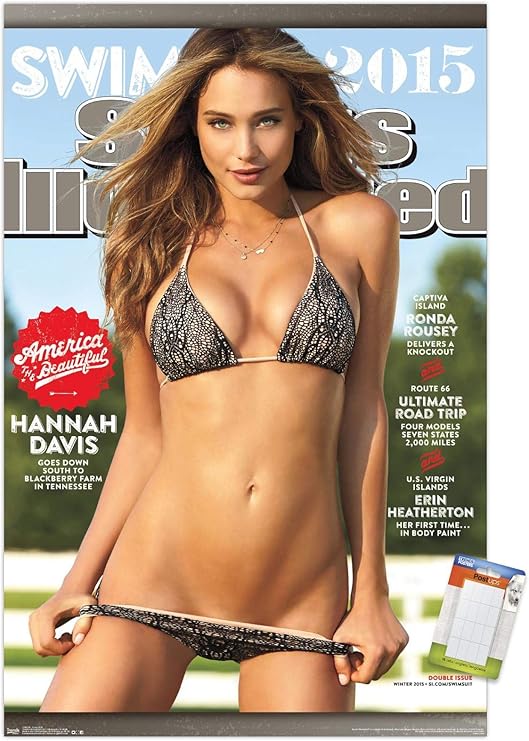
Image result for sports illustrated cover
No better example than the cover of a men's magazine.

The information in these videos ties in nicely with other materials we have explored. I feel these tropes also fit in with the video for this module on African American women and sexuality. I think they are portrayed often as part of the Evil Demon Seductress trope. While not always a demon or vampire, they are portrayed as using their sexuality in a manipulative way. This series also mentions the Bechdel Test as part of the Smurfette Syndrome trope. The concept of the Male Gaze is also prevalent in these tropes. Women are objectified, they are a muse, and if they resist and fight to be more, they are crazy.  

Image result for quotes about women